
Lead-Acid vs Lithium for Electric Scooters: The Real Cost Importers Should Calculate
Lead-acid is cheaper to buy, lithium is often cheaper to own. Compare cycle life, usable energy, weight and replacement cost before choosing.
The cheapest battery is rarely the cheapest ownership
When importers compare electric scooter quotations, lead-acid almost always wins on unit price. That comparison is incomplete. The battery is a consumable: what matters is not only what you pay on day one, but how soon you pay again — in replacements, in warranty claims, and in customers who do not come back.
The mistake usually happens at the quotation stage, and it is an easy one to make. Two quotations sit side by side for what looks like the same scooter. One is cheaper, and the difference is mostly the battery. Choosing the cheaper line feels like good buying. But the two quotations are not really for the same ownership experience: they are for two different schedules of future spending. One price is paid mostly once. The other is paid again — sooner, and in your market, at your labour rates, with your customers watching.
A better way to frame the decision is to stop asking "which battery is cheaper?" and start asking "what does one year, or one full battery life, of riding cost with each option?" That question cannot be answered from a price list alone. It needs five numbers and judgements, all set out below. None of them requires you to guess: the cycle-life figure belongs in the cell specification sheet, the usable-energy difference shows up in a sample test on your own roads, and the replacement and freight costs are your own local figures, which you know better than any factory does. Put your figures into the comparison, not the supplier's brochure figures, and the right choice for your market usually becomes obvious.
There is also a decision to make about who carries the difference. If a battery fades early, either the customer pays for the replacement, or you do — through a warranty claim, a discount, or a lost repeat customer. No warranty period is published on our site, so whatever you intend to promise your own buyers, confirm the battery warranty terms that stand behind you in writing before you order. A cheap battery with unclear terms is the most expensive combination of all, because the cost arrives later and lands entirely on you.
Compare these five costs, not just the price
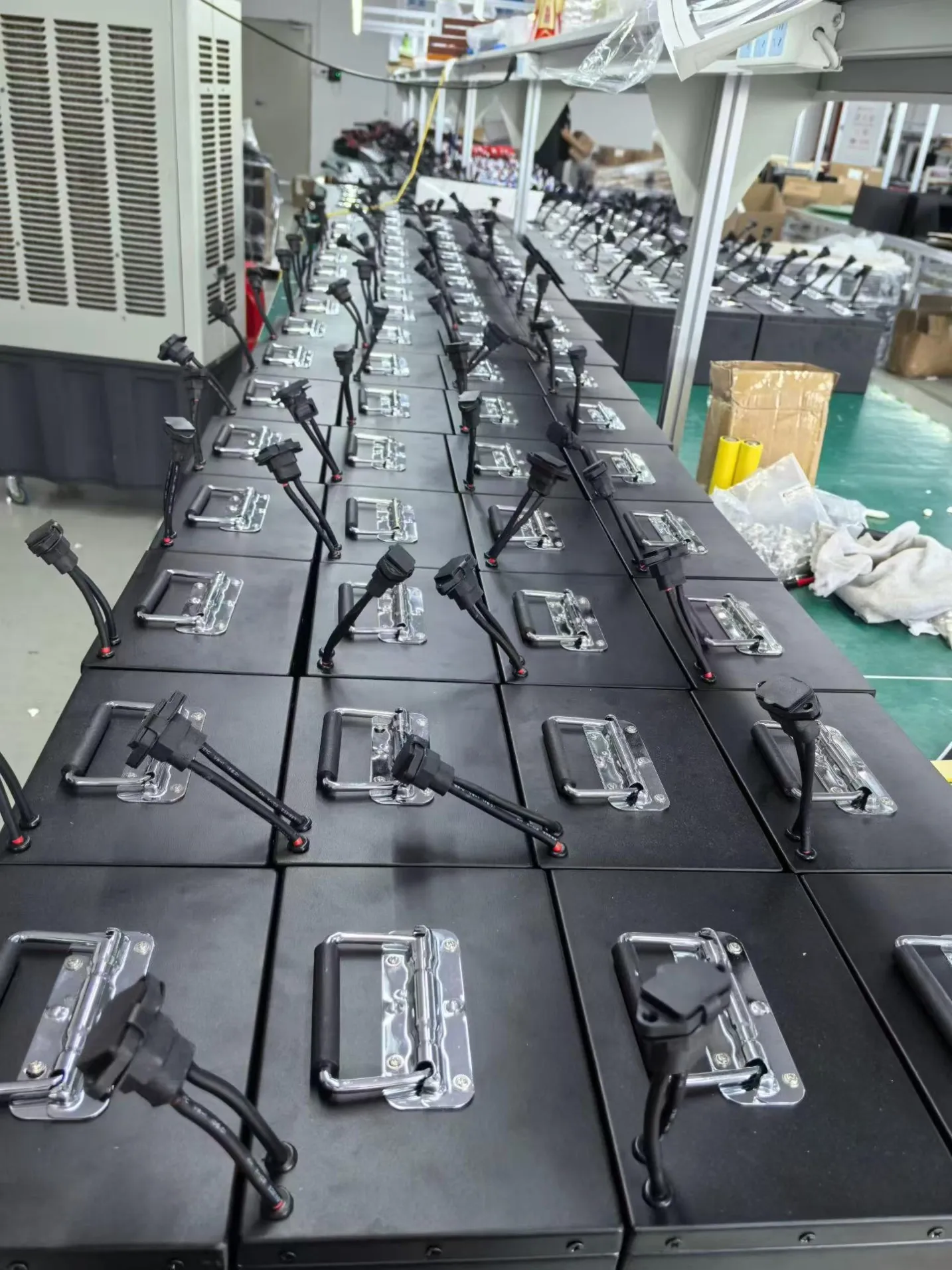
- Cycle life. As a general industry rule of thumb, lead-acid packs typically deliver a few hundred full cycles, while lithium packs typically deliver well over a thousand, both depending on cell quality and depth of discharge. Always confirm the exact figure in the cell specification sheet for the configuration you are buying — do not rely on a sales brochure. Then do the arithmetic that turns cycle life into money: divide the pack price from your quotation by the confirmed cycle-life figure, and you have a rough cost per cycle for each option. A pack that costs more but delivers several times the cycles can easily be the cheaper pack per cycle — and per cycle is how your customers actually consume the battery. Two cautions belong with this calculation. First, cycle-life figures are only comparable when they are stated on the same basis, so ask what depth of discharge the figure assumes and to what remaining capacity the pack is counted as finished. Second, a rider who charges every day works through cycles far faster than a weekend rider, so run the calculation against your own customers' real charging habits, not an average invented for a brochure.
- Usable energy. Lead-acid should not be deeply discharged in daily use, so a large part of its nominal capacity is not really usable. Lithium tolerates deeper discharge, which is why two scooters with the same "32Ah" label can deliver clearly different real ranges. This is the cost importers most often miss, because it hides inside a specification that looks equal. The label states nominal capacity; the rider experiences usable capacity. When you compare configurations, compare watt-hours first — voltage multiplied by amp-hours — and then remember that the lead-acid side of the comparison gives you a smaller share of its nominal figure in daily use. The practical test is a sample: ride both configurations on the same route, with the same rider and load, from a full charge, and record the results side by side. That one afternoon of testing tells you more about what your customers will experience than any pair of brochures.
- Weight. A lead-acid pack is much heavier. That affects handling, tyre and brake wear, and your freight cost per unit. Follow the weight through the whole business, not just the specification sheet. In the container, a heavier battery is part of the shipped weight you pay to move. In the shop, it is a vehicle that feels different to lift onto a stand and to push around a showroom. On the road, the extra weight is carried by the tyres, the brakes and the suspension on every single journey, and it is carried by riders who may be smaller, older, or carrying goods as well. None of this makes lead-acid the wrong choice — but it is a real cost, and it belongs in the comparison instead of being discovered after the first container sells.
- Replacement logistics. Replacing a battery in your market means stock, shipping and labour. If a pack needs replacement twice as often, your after-sales budget must show it. Think through what one replacement actually involves in your market: holding replacement stock (or a customer waiting while you order), freight for a heavy item, workshop time to remove, fit and test, and the safe handling and disposal of the old pack. Then multiply by how often, across your whole fleet of sold vehicles, that event will happen within the period you care about. The option with the shorter service life generates this event more often, for every vehicle you sell — which is why a modest difference in pack life becomes a large difference in after-sales budget once hundreds of scooters are on the road. Ask the supplier, in writing, how replacement packs are ordered, how compatibility with your earlier batches is guaranteed, and what the lead time is, before the first replacement is urgent.
- Customer experience. Riders notice range loss. A scooter that still performs in year two protects your brand; one that fades in months creates returns. This cost never appears on an invoice, but it may be the largest of the five. Customers judge the battery by how the scooter feels, and they judge it against what they were told at the point of sale. If the scooter was sold honestly — with expectations set for the battery type fitted — a gradual fade is accepted as normal wear. If it was sold on the strength of day-one performance alone, the same fade feels like a defect. Your choice of battery and your choice of sales message are therefore one decision, not two: fit the battery your customers' daily use actually requires, and describe its life honestly, and the customer-experience cost largely manages itself.
A simple worksheet pulls these five costs together. Take your two quotations and, for each configuration, write down: the pack price; the confirmed cycle life from the cell specification sheet, and the cost per cycle that follows from it; the usable-energy picture from your own sample test; the freight effect of the pack's weight at your volumes; your local cost of one replacement, multiplied by how often each option will need one; and the warranty terms confirmed in writing that stand behind each option. Six lines per configuration. Importers who complete that worksheet rarely argue about battery choice afterwards, because the answer for their market is sitting on the page in their own numbers.
Which should you choose?
- Lead-acid can still make sense for extremely price-sensitive retail markets with low daily mileage — if your customers understand the shorter service life. The conditions matter as much as the conclusion. Low daily mileage means the pack is cycled slowly, so its shorter cycle life is spread over an acceptable period. Price-sensitive means the day-one saving is real money to your buyers, not an accounting detail. And understanding the shorter service life means your sales team says so, plainly, before the sale — so the replacement, when it comes, is an expected purchase rather than a complaint. Where all three conditions hold, lead-acid remains a legitimate, honest product.
- Lithium usually wins for delivery fleets, rental, and any market where daily mileage is high and downtime costs money. High daily mileage burns through cycles quickly, so the longer cycle life is used, not wasted. Downtime has a price: a delivery scooter waiting for a battery is not earning, and a rental scooter off the road is a refund as well as a repair. In those uses, cost per cycle and usable energy matter more than the day-one price, and the comparison in the worksheet above normally settles the question.
Use a few decision questions to place your own market on this line. How far does a typical customer ride each day, and how many days a week? Is the scooter a household's second vehicle or a working tool that earns its keep? Can your customers charge fully and conveniently, and will they follow basic charging habits? What can your workshop and your parts stock realistically support? And what will your competitors' scooters be fitted with — because your customers will compare their year-two experience against the scooter parked next to theirs, not against your brochure.
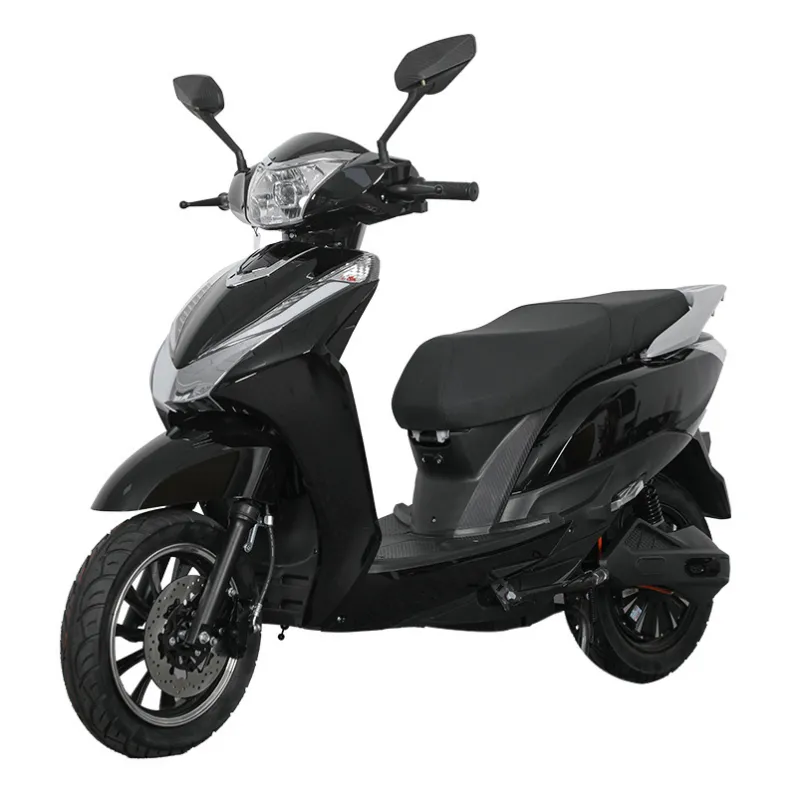
Several Lubon Motor models offer lithium-ion and lead-acid options (for example 60V/72V, 32Ah configurations). The LB-CS is one such model: its product page states a 1500W motor, lithium or lead-acid battery options of 60V/72V 32Ah, a maximum speed of 45 km/h, charging of 4–6 hours, and delivery in 15 days — the same vehicle, offered with either battery path, which makes it a clean case for the side-by-side comparison this article describes. Before ordering, confirm the exact battery configuration, the charger supplied with it, and the cell specification sheet — and test a sample in your own conditions. If you can, test both configurations: the price difference you already know from the quotations, and one weekend of testing gives you the usable-energy difference, which is the figure the quotations cannot show you.
Ask us for both configurations priced side by side, so you can compare total cost, not just unit price: email saravehicle@jxlubon.com or WhatsApp +86 189 7035 3905.