
How to Vet an Electric Scooter Supplier Before Your First Order
A cheap quote from the wrong supplier costs more than a fair quote from the right one. Seven checks to run before you pay a deposit.
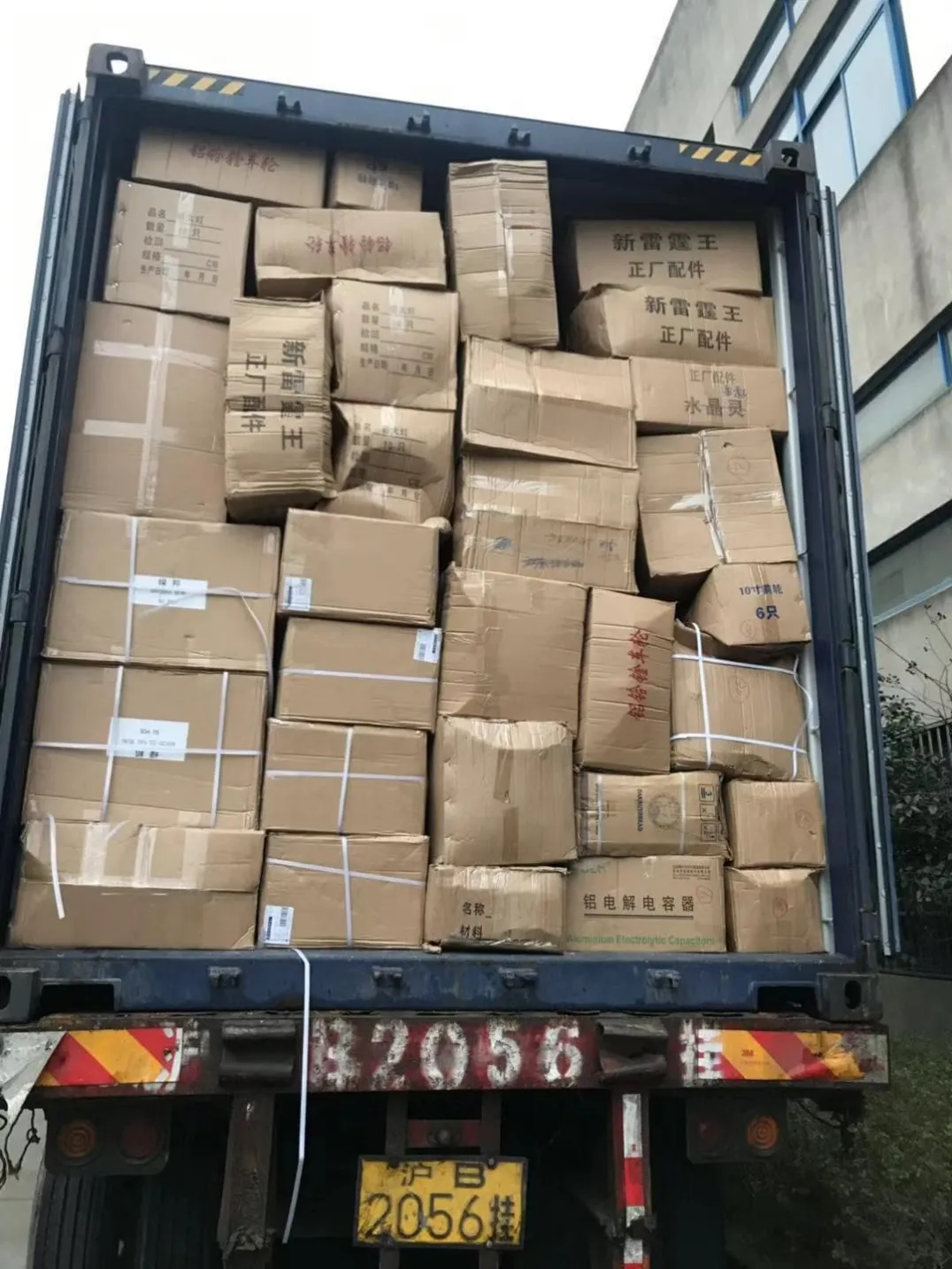
A cheap quote from the wrong supplier costs more than a fair quote from the right one
Every importer has heard the same story: a low price, a fast promise, and then a container of vehicles that do not match the sample, a missing document at the port, or a supplier who stops answering when spare parts are needed. The price was never the problem. The vetting was.
Before you pay a deposit, run these seven checks. They take days, not months — and they are far cheaper than a bad first order.
That difference matters because a first order is not just a purchase. It is a test of everything that will follow: production, communication, packing, documents, and after-sales support. If a supplier is slow, vague, or inconsistent before you have paid, that pattern rarely improves after payment. Vet in a structured way, write down what you checked, and make your deposit conditional on answers you can verify, not on promises you have to trust.
A useful way to work through this guide is to open a simple vetting file for each supplier you are considering. Keep the quotation, the specification sheet, sample photos and videos, document copies, and your written questions and their written answers in one place. When two suppliers look similar on price, the file usually makes the decision clear: one supplier answered precisely and consistently, the other did not.
1. Is it a factory, or a trader?
Ask plainly, and check the answer: does the supplier make the vehicles, or buy them from someone else? A real manufacturer can show you its factory, its production line and its own product range; it can answer technical questions about the motor, battery and controller without going away to ask someone else. If the answers are always vague, or the photos are always stock photos, ask for a live video call from the factory floor.
On that call, ask specific, ordinary questions. Ask to see the model you are buying on the line, not a different model. Ask to see the battery storage area, the packing area, and finished vehicles waiting for loading. Ask who checks quality before packing, and at what stage. You are not looking for a polished presentation. You are looking for consistency: does what you see match the photos, the product range, and the technical answers you were given earlier?
Common mistakes at this stage include accepting a catalogue as proof of manufacturing, and accepting a factory tour video with no date, no model name visible, and no chance to ask questions live. Another mistake is treating a trader as automatically bad. A trader is a risk when the trader hides the factory, cannot answer technical questions, and cannot control production or spare parts. Whatever the structure, confirm in writing: the full legal name of the manufacturing company, where production takes place, and who is responsible for quality and after-sales on your order.
For context, Lubon states that the company is based in Jiangxi and that its electric two-wheelers are produced at the Wuxi base, using the mature two-wheeler supply chain there. Whatever supplier you choose, ask for the same kind of clear statement about company base and production base, and check that it stays consistent across the website, the quotation, the invoice, and the video call.
2. Does the specification sheet match the sample?
A specification sheet is a promise. A sample is the test of that promise. Before a container order, order a sample and check it against the sheet line by line: motor power, battery voltage and capacity, top speed, charging time and the parts fitted. On the Lubon LB-CS, the listed figures are a 1500W motor, lithium / lead-acid battery options (for example 60V/72V, 32Ah) and a listed top speed of 45 km/h, with a listed charging time of 4–6 hours — confirm every figure for your exact configuration, and record your sample test with photos and video.
Work through the sample systematically. Photograph the vehicle from all sides. Photograph the motor, controller, battery label, charger label, and nameplate. Check that the battery fitted is the battery on the sheet — same voltage, same capacity, same chemistry — and that the connector matches what was specified. Ride the sample on your normal roads, not only on a short flat test. Note how it starts, brakes, climbs, and charges. Charge it with the supplied charger and time the charge.
Keep a one-page sample test sheet. For each line on the specification sheet, write: as specified, as found on the sample, pass or fail, and photo or video evidence. If a figure cannot be tested with your equipment, write that down too, and ask the supplier in writing how that figure was tested and under what conditions. Do not let an untested figure become an assumed figure in your sales material to your own customers.
A worked example shows why this matters. A buyer orders a configuration described as 60V/72V, 32Ah, but does not check whether the sample actually carries that battery, in that chemistry, with the charger for that chemistry. The vehicles arrive, the chargers do not match the batteries fitted, and the buyer now has stock that cannot be sold or charged correctly until replacement chargers arrive. One photograph of the battery label and one photograph of the charger label, checked against the order before payment of the balance, would have caught it at sample stage.
Confirm in writing before a container order: exact model name, motor power for your configuration, battery voltage, capacity and chemistry, charger type and plug, top speed figure as listed for that configuration, charging time as listed for that configuration, and any difference between the sample you tested and the production vehicles you will receive. If production will differ from the sample in any part, that difference must be named, not discovered.
3. Can it supply documents for your market?
Ask which certificates, test reports and customs documents the factory will supply for your exact model and market — in writing, before you pay. "We have all certificates" is not an answer. Which documents, for which model, issued by whom, and valid for which market? If a document does not exist for your market, you need to know that before you order.
Ask for copies, not descriptions. Read the model name on each document and compare it character by character with the model on your order. Read the issuing body, the date, and the scope. A document for a similar model, a different battery, or a different market is not the same as a document for your order. If you are unsure what your market requires, confirm the requirement with your customs broker or relevant local authority first, then put that exact requirement to the supplier. Do not rely on the supplier to guess your market's rules, and do not rely on another importer's experience in a different country.
Make a documents list for your order and get the supplier to confirm it line by line in writing: commercial invoice, packing list, certificate of origin, and any test reports or certificates the supplier states it will provide for your exact model and market. Note for each document: will be supplied, will not be supplied, or to be confirmed — and by what date. A common mistake is to discuss documents after production has started, when a missing test or a mismatched model name can no longer be fixed quickly. Discuss them before the deposit.
4. What happens after the sale?
A supplier's real quality shows after the container arrives. Before ordering, confirm: is there a written spare-parts list with prices? Which parts are available, and how long do they take? Who handles a warranty claim, and what evidence is needed? A supplier who cannot answer these questions before the sale will not answer them after it either.
Expand that conversation before you order. Ask which wear parts and electrical parts are held as regular spare parts for your exact model — for example brakes, tyres, lights, switches, controller, charger, and battery connector — and confirm that the parts on the spare-parts list are the same parts fitted to your sample and to production vehicles. Ask how a spare-parts order is placed, how it is packed and shipped, and how long dispatch normally takes for the parts you are most likely to need. Get the list and the process in writing.
On warranty, do not assume any period or any coverage, because terms differ and must be agreed for your order. Confirm the terms in writing: what is covered, what is not covered, for how long, who decides a claim, what photos, videos, or returned parts are required as evidence, and whether a replacement part is sent, credited, or included with a next order. If the supplier will not put warranty terms in writing, treat that as a clear warning and do not fill the gap with your own assumption when you sell to your customers.
Also test responsiveness now. Note how long the supplier takes to answer a detailed technical question, and whether the answer actually addresses the question. That response pattern is the best preview you have of after-sales support.
5. How does it ship, and how does it pack?
Confirm the shipping form — fully assembled, SKD or CKD — what is included in each kit, the lead time, and how the vehicles are packed and protected. Ask for photos of the actual packing and loading, not stock photos. On the Lubon LB-CS, the listed CKD lead time is 15 days — confirm the form and the lead time for your exact configuration and quantity before you place the order.
Go deeper than the name of the form. If you order CKD or SKD, ask for a kit contents list: which parts are in each kit, which parts are already assembled, which fasteners and small parts are included, and what tools or information you will need for local assembly. If you order fully assembled vehicles, ask how each vehicle is protected, how many fit in your planned container, and how they are secured so they do not move in transit. In both cases, ask for recent packing photos showing the inside of the carton and the protection around the vehicle, not only the outside of a sealed box.
Confirm in writing: shipping form, kit contents if applicable, packing method, quantity per container as quoted for your configuration, lead time for your exact quantity, and what starts the lead-time clock — deposit receipt, sample approval, or final specification confirmation. A common mistake is to hear a lead time and assume it starts today, when the supplier means it starts after all specifications and documents are confirmed. That misunderstanding alone can cost weeks.
Ask also for pre-shipment and loading photos as a formal step in the order, agreed before production, so you can check model, battery, charger, packing, and container number before the container is sealed.
6. Who are you actually paying?
Confirm the supplier's full legal company name, its address, and that the bank account and invoice name match that company. For a first order, keep the payment in stages tied to verifiable steps — sample approval, production photos, loading — and get every term in writing. Never pay a full deposit to a personal account, or to a company name that differs from the one on the quotation.
Check the names across every document: quotation, proforma invoice, bank details, and contract if you use one. They should match exactly. If a different company name appears at payment stage, stop and ask for a written explanation before paying anything. Do not accept a verbal explanation for a name change at the moment of payment.
Structure a first order to limit exposure while you build trust. A practical sequence many importers use is: pay for a sample first and test it; then, for the first container, tie each payment stage to a step you can verify — order confirmation with final specification in writing, production or packing photos, and pre-shipment and loading photos checked against the order. Keep copies of every payment instruction and confirmation with your vetting file. Confirm in writing, before the first payment: the exact beneficiary name, the currency, what each stage pays for, and what happens if the specification or lead time changes after payment.
Be especially careful with last-minute changes to bank details sent by email or message. If bank details change, verify the change through a separate, already-known contact channel before paying. That single check prevents one of the most expensive and most common payment mistakes in import trade.
7. What do its existing customers say?
Ask for references in markets like yours, and check them. A supplier with real distributors will have customers willing to talk about delivery, quality and after-sales. If no reference can be produced, treat that as information — not as a detail to skip.
When you speak to a reference, ask concrete questions rather than general ones. Did the vehicles match the sample and the specification? Did the documents match the goods and clear customs without a model or battery mismatch? Were spare parts actually supplied when needed, and how long did they take? How did the supplier handle the first problem that appeared? A reference who can describe a problem and how it was resolved is more convincing than a reference who only offers general praise.
Check consistency across references. If two customers in different markets describe the same packing, the same documents process, and the same after-sales process you have been quoted, that consistency supports what you have been told. If references contradict the quotation on lead time, shipping form, or parts availability, raise the contradiction with the supplier in writing before you order.
If a supplier has no reference it can share — for confidentiality or any other reason — ask for other verifiable evidence instead: recent loading photos with dates, anonymised packing lists, or a live factory call with your exact model. Lack of a reference does not automatically end the discussion, but it should raise the standard of evidence you require on the other six checks.
Your pre-deposit checklist
- Factory identity confirmed, with a live video call if possible.
- Sample tested against the specification sheet, with results recorded.
- Documents for your market listed in writing.
- Spare-parts list, prices and after-sales process confirmed in writing.
- Shipping form, lead time and packing agreed in writing.
- Payment stages tied to verifiable steps, in writing.
- Full legal company name checked across quotation, invoice and bank details, with no unexplained name difference.
- Warranty terms confirmed in writing — coverage, period, claim process and evidence required — with no term assumed.
- Kit contents confirmed in writing if ordering SKD or CKD, including fasteners and small parts.
- Pre-shipment and loading photos agreed as a required step before sealing.
- At least one reference checked with concrete questions, or alternative verifiable evidence obtained.
- Vetting file complete: quotation, specification sheet, sample test sheet, document copies, and all written confirmations kept together.
Use the checklist as a gate, not as paperwork. If an item cannot be ticked, do not pay the deposit until it can be, or until you have consciously accepted that specific risk in writing for yourself. Most bad first orders are not caused by a single dramatic failure. They are caused by two or three small unchecked items — a battery label nobody photographed, a document nobody read, a company name nobody compared — combining into one expensive container.
Looking for a supplier you can check before you order? Tell us your market, your model and your quantity, and we will confirm the factory, sample terms and documents for your order in writing. Email: saravehicle@jxlubon.com · WhatsApp: +86 189 7035 3905
For Lubon enquiries, contact saravehicle@jxlubon.com or WhatsApp +86 189 7035 3905, and ask for the same written confirmations described in this guide for your exact model and configuration.