Before Your Container Leaves: How to Read Pre-Shipment and Loading Photos
Loading photos are your last chance to catch a wrong model, battery or packing before the container sails. What to check in every set.
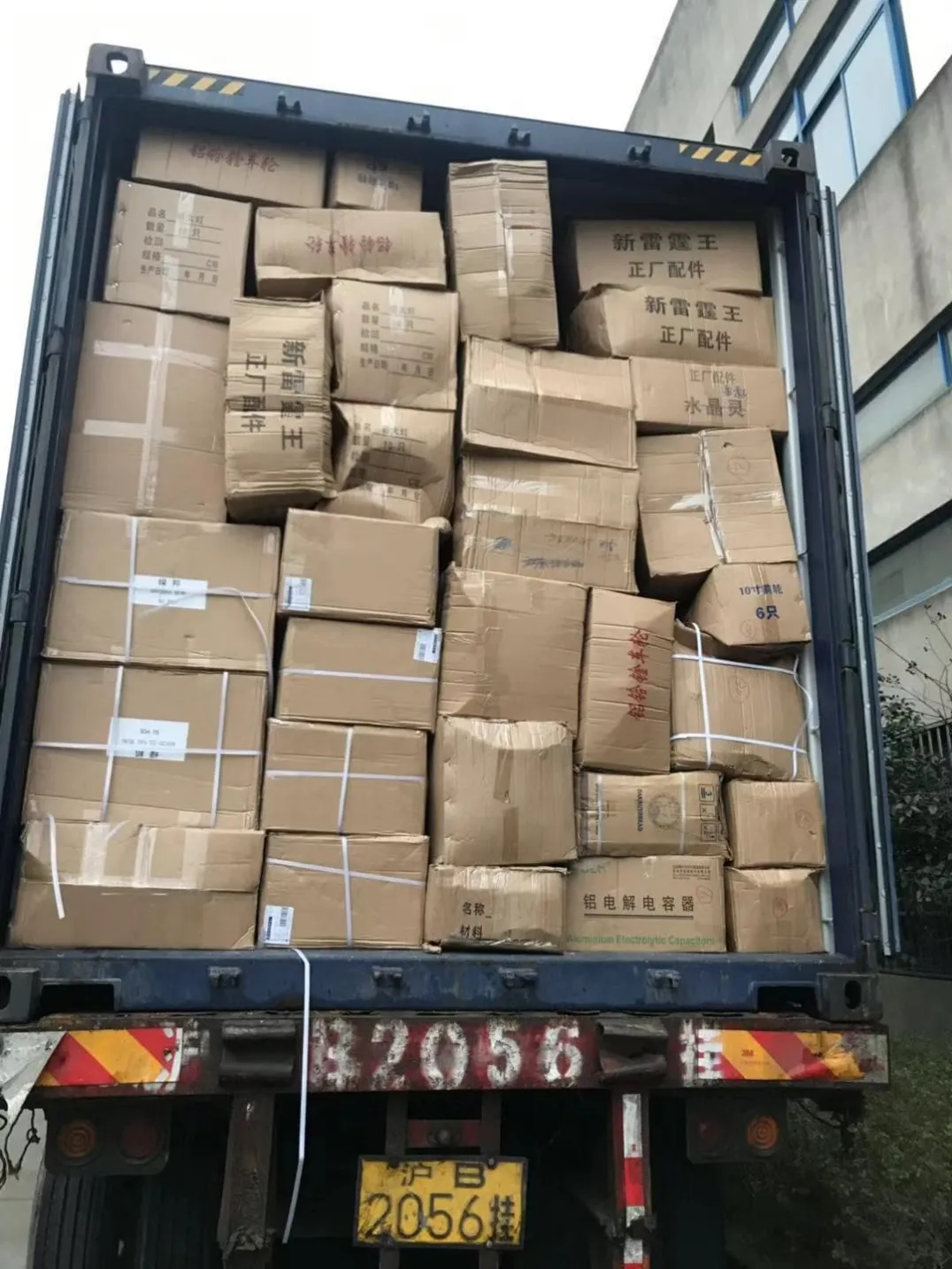
Your last chance to catch a mistake
Once a container is sealed and on the water, fixing a mistake is slow and expensive. Before that moment, you have one cheap tool: the pre-shipment and loading photos your factory sends you. They are not marketing photos. They are evidence — and they only work if you actually read them, photo by photo, against your order.
Ask for the photos before the container is sealed, not after it sails. If a photo shows a problem, the factory can still open the carton and fix it. After sealing, it cannot.
Agree this step before production starts, not when loading day arrives. Put it in writing: the factory will send a complete pre-shipment and loading photo set, you will check and reply in writing, and the container will not be sealed until you have confirmed or until any problem found has been corrected and re-photographed. That simple sequence turns photos from a courtesy into an inspection. Without it, photos often arrive after sealing, when they can only document a mistake, not prevent one.
Keep your order beside you while you check. You need the final order confirmation, the specification sheet, the sample test record if you ordered a sample, and the packing list draft. Every photo should be checked against a line on one of those documents. If a photo shows something you cannot match to a document — a battery, a charger, a part, a label — that is not a small detail. Stop and ask what it is, in writing, before sealing.
Work on a screen large enough to zoom in. Labels, plugs, and small print are the whole point of this check, and they are exactly what is missed on a quick phone glance. Save the original photo files with your order file, not only compressed chat thumbnails, so the labels remain readable later if you need them as evidence.
What to ask for in the photo set
Ask the factory, in writing, for a complete set — not two or three flattering shots:
- The vehicles themselves — model name or label visible, colour and configuration matching your order, not a similar model from the same line.
- The battery — voltage, capacity and chemistry on the label matching your order, and the connector matching the specification sheet. On the Lubon LB-CS, the listed options are lithium / lead-acid, for example 60V/72V, 32Ah — confirm the exact battery on your order, and confirm the label in the photo is that battery.
- The charger — plug type and label visible, matching your market and your battery chemistry. A charger photo is worth more than a written promise that "the right charger is included".
- The packing — carton, internal protection and strapping as it will actually ship, not a sample carton from another order. Photograph the protection inside, not just the outside of the box.
- The loading — vehicles going into the container, how they are secured, and the container number. Ask for the container number in the same set of photos, so the photos, the packing list and the bill of lading all point to the same shipment.
- The documents in the same check — invoice, packing list and certificate of origin, with model name, quantities and values matching the goods in the photos exactly. If the paperwork names a different model or battery from the one in the photos, stop and ask before the container is sealed.
Ask for more than the minimum on each item. For the vehicles, ask for a wide shot showing quantity and colour, plus a close shot of the model label or nameplate on a vehicle from the actual shipment. For the battery, ask for a close, readable label shot and a shot showing the battery fitted or packed as it will ship, with its connector visible. For the charger, ask for the plug pins clearly visible and the charger rating label readable — a plug photographed from the side, out of focus, proves nothing about whether it fits your market.
For packing, ask for three stages: the vehicle or kit before the carton is closed, the protection in place inside the carton, and the closed carton with its marks and labels visible. For loading, ask for the empty container with its number visible, loading in progress showing how vehicles or cartons are placed and secured, and the loaded container before the doors close. If cartons are stacked, check the stacking and strapping in the photo. If vehicles are loaded assembled, check how they are separated and tied down so they cannot rub or shift.
Add two practical items many buyers forget. First, if you ordered spare parts, accessories, or spare chargers with the vehicles, ask for a separate photo of those items counted and packed, and check them against the packing list line by line. Spare parts are easy to omit and hard to prove missing after arrival if they were never photographed. Second, if you ordered SKD or CKD kits, ask for one open kit photographed completely — every part laid out — and compare it with the agreed kit contents list. One open-kit photo can reveal a missing fastener pack or small part that would otherwise affect every kit in the container.
Confirm in writing, as part of your photo request: exact model, colour and configuration to be shown; exact battery voltage, capacity and chemistry to be shown on the label; charger plug type and chemistry to be shown; shipping form — assembled, SKD or CKD — to be shown; packing method to be shown; and container number to be included in the same set. A written request produces a checkable set. A vague request for "loading photos" produces a few general shots that prove very little.
The five mismatches that photos catch most often
- Wrong model or colour — the vehicle in the photo is a different model from the one on your order, or a different colour from the one your customers ordered.
- Wrong battery — the label shows a different voltage, capacity or chemistry from your order. Battery capacity on the documents differing from the battery on the vehicle is also one of the most common customs delays.
- Wrong charger — the plug does not fit your market, or the charger is built for a different battery chemistry from the one you ordered.
- Wrong shipping form — the shipment is described as fully assembled when it was packed as CKD kits, or the other way round. Confirm the form — assembled / SKD / CKD — in writing, and check the photos show that form. On the Lubon LB-CS, the listed CKD lead time is 15 days — confirm the form and the lead time for your exact configuration and quantity.
- Weak packing or loose loading — cartons without internal protection, vehicles not secured, or a container loaded in a way that will shift in transit. Damage found on arrival is much harder to claim if you never asked for loading photos.
Each of these deserves a closer look, because each has a typical cause and a specific way to check it.
Wrong model or colour usually happens when a factory produces several similar models on the same line. The vehicles may look almost identical in a wide loading shot. That is why the close label shot matters more than the wide shot. Read the model name. Count the colours against your order quantities by colour, if your order is split by colour. If the photo set does not allow you to count, ask for a photo that does.
Wrong battery is the most expensive mismatch to miss. Zoom into the label until voltage, capacity, and chemistry are readable. Compare all three, not just one. A battery can have the right voltage and the wrong capacity, or the right capacity in the wrong chemistry, and either error affects charging, performance, documents, and your customers. Then compare the battery in the photo with the battery named on the invoice and packing list. All three sources — order, label, documents — must agree.
Wrong charger is often missed because the charger is small and photographed poorly. Insist on two clear images: the plug itself, and the label. Check the plug against your market, and check the label against the battery chemistry and voltage on your order. On the LB-CS, for example, the listed charging time is 4–6 hours for the listed configuration, but that figure only helps if the charger supplied is the charger for your exact battery — confirm that match in the photo, for your configuration, rather than assuming it.
Wrong shipping form affects everything at your end: warehouse space, assembly labour, tools, and delivery promises to customers. If you planned to assemble CKD kits and assembled vehicles arrive, or the reverse, your receiving plan fails on the day of arrival. The open-kit photo and the loading photos together settle this. If the form in the photos differs from the form in the documents, stop the shipment until both are corrected to match your order.
Weak packing or loose loading is a judgement call, so make it concrete. Look for protection between vehicles or parts, cartons that are closed and strapped properly, no crushed corners, no large empty space that allows movement, and securing that will still hold after weeks of vibration at sea. Ask yourself: if this container is lifted, braked, and rolled on a ship, what moves first? If you can see what will move, ask for it to be secured and re-photographed before sealing.
A worked example ties these together. A buyer receives six attractive loading photos, replies "looks good," and the container sails. On arrival, the vehicles are the right model, but the charger plugs do not fit the buyer's market and the packing list names a different battery capacity from the labels. Customs queries the documents, the buyer must source chargers locally, and there is no written photo check to show what was agreed. The same buyer, spending twenty minutes zooming into labels, counting colours, and replying item by item, would have caught both problems while the cartons could still be opened.
How to reply to the photo set
Do not reply "looks good" from a quick glance. Reply in writing, item by item: model confirmed, battery confirmed, charger confirmed, packing confirmed, container number noted — or list exactly what is wrong and what must change before sealing. Keep the photos with your order file. If a container arrives damaged or wrong, those photos are your evidence.
Structure your reply as a short checklist that mirrors your order:
- Model and colour: confirmed / not confirmed — state what you read on the label and what you counted.
- Battery: confirmed / not confirmed — state the voltage, capacity, and chemistry you read on the label.
- Charger: confirmed / not confirmed — state the plug type and label details you could read.
- Spare parts and accessories, if ordered: confirmed / not confirmed — state the packing list lines you matched.
- Shipping form and kit contents, if SKD or CKD: confirmed / not confirmed.
- Packing inside and outside the carton: confirmed / not confirmed.
- Loading and securing, and container number: confirmed and noted / not confirmed.
- Documents — invoice, packing list, certificate of origin: model, quantities, battery, and values match the photos / do not match, with the differing line named.
If any item is not confirmed, say exactly what new photo or correction you need: for example, a readable close-up of the battery label, a photo of the charger plug, or a re-photograph of the open kit. Do not approve sealing in the same message in which you ask for a correction. Wait for the corrected photo, check it, and then confirm in a separate, clear written reply. That separation avoids the most common misunderstanding in this process — the factory reading an early "okay" as approval while the buyer was still waiting for a fix.
Note common mistakes in replying. Replying only in a chat message that is later hard to find, approving from thumbnails without zooming, checking the vehicles but not the documents, and noting the container number in one place while the packing list shows another, are all avoidable. Send the item-by-item reply through the same written channel as your order, keep it with the photos, and make sure the container number you noted appears identically on the packing list and later on the bill of lading.
Finally, agree in advance what happens if a problem cannot be fixed before the planned loading. Confirm in writing whether loading is delayed, whether only the affected cartons are held back, or whether a corrected item is photographed separately. Deciding that under time pressure, with a container waiting, leads to rushed approvals. Deciding it in advance keeps the inspection in control.
A photo set that passes this check is not a formality. It is the last inspection you get before the goods leave the factory.
Ordering electric two-wheelers? Ask us for pre-shipment and loading photos with your order, and tell us your model, battery and shipping form so we can confirm them in writing before the container is sealed. Email: saravehicle@jxlubon.com · WhatsApp: +86 189 7035 3905
For Lubon orders, you can reach the team at saravehicle@jxlubon.com or WhatsApp +86 189 7035 3905. Ask for the complete photo set described above — vehicle, battery label, charger plug and label, inside packing, loading, and container number — and confirm each item in writing before sealing.