Certificates and Customs: The Documents to Ask for Before You Order Electric Scooters
Missing paperwork stops a shipment at the port. The certificates, test reports and customs documents to request in writing before you order.
The shipment that never leaves the port
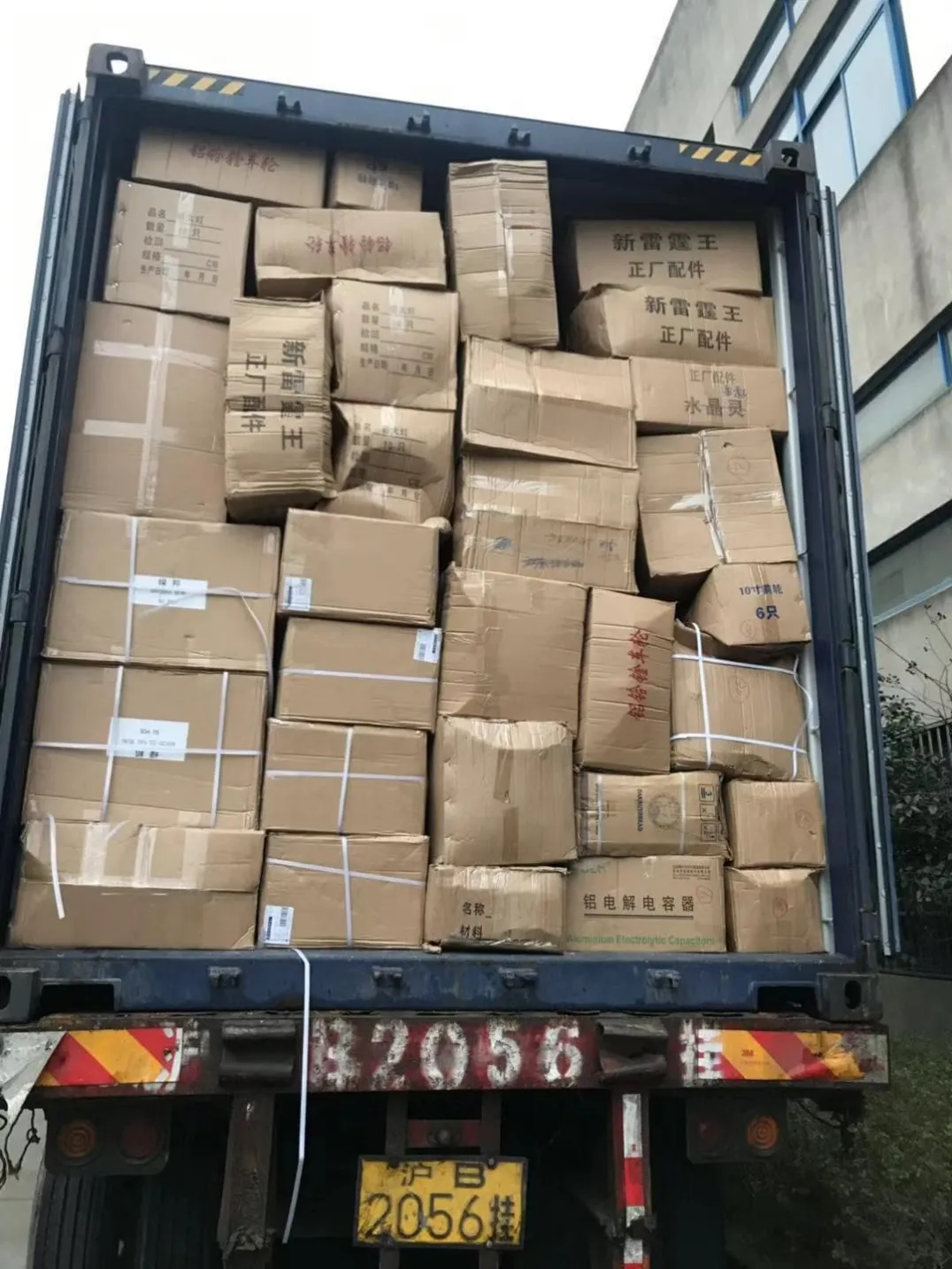
A container can be built, packed and paid for — and still sit at the port because one document is missing or names the wrong model. For electric two-wheelers, paperwork is not an afterthought. Batteries, motors and chargers each raise questions at customs, and different markets answer them differently.
The rule is simple: ask for the documents before you pay the deposit, in writing, for your exact model and configuration. A document for a different model does not help you.
This happens more often than buyers expect, and it rarely happens because a factory was dishonest. It happens because the conversation stayed general for too long. A buyer asks, "Do you have certificates?" The factory answers yes, because it does have documents — for another version of the vehicle, another battery, or another market. Both sides believe the question is settled. Months later, at registration or at customs, the difference becomes visible, and by then the vehicles are already built, packed, and paid for.
That is why timing matters as much as the documents themselves. Before the deposit, changing a configuration, adding a test, or choosing a different battery option is still a discussion. After production, the same change can mean rebuilding stock, reprinting labels, or re-testing a vehicle that no longer matches what was ordered. A serious document check is therefore not bureaucracy for its own sake. It is the cheapest point in the whole order to discover a problem.
Keep one principle in front of you throughout this process: paperwork must describe the exact goods you are buying, not a similar product from the same factory. Model name, motor power, battery voltage, battery capacity, battery chemistry, charger specification, and shipping form all need to line up. If one of those details changes during the order — for example, if you switch from one battery option to another, or from assembled vehicles to CKD kits — ask whether the documents change with it, and get the updated answer in writing.
What to ask for, in writing
Ask the factory to confirm, for your market and your exact configuration:
- Vehicle test reports and type-approval documents — what your market requires for registration and road use, and whether the report covers your exact motor, battery and controller combination.
- Battery transport and safety documents — lithium batteries are dangerous goods for sea and air freight. Ask what transport test and safety documentation the factory provides for the battery you are ordering, and confirm it matches the battery chemistry and capacity on your order.
- Charger and electrical safety documents — the charger must match your market's plug, voltage and safety requirements. Ask for the charger's test documentation and confirm the plug type in writing.
- Certificate of origin and commercial documents — commercial invoice, packing list and certificate of origin, with the model name, quantities and values matching the goods exactly.
- A written list of what the factory will and will not supply — some documents come from the factory, some from a test lab, and some you must arrange yourself in your market. Get the split in writing so nothing is discovered at the port.
Do not accept "we have all certificates" as an answer. Ask which documents, for which model, issued by whom, and valid for which market. If a document does not exist for your market, you need to know that before you order — not after the container arrives.
A useful way to run this conversation is to turn it into a simple table that both sides fill in together, before any payment is made. For each document, record five things: the document name, the exact model and configuration it covers, who issues it, who supplies the copy to you, and whether it is needed before shipment, at customs, or later at registration. A blank row in that table is useful information. It tells you exactly where you still have work to do, either by asking the factory a sharper question or by checking with your own customs broker or registration authority.
Do the same check from your own side of the border. Factories know their products, but they cannot know every market's current rules as well as the people who clear goods and register vehicles in that market every week. Before you order, show your intended configuration — model, motor power, battery details, and shipping form — to your customs broker and, where relevant, to the authority or agent who will handle registration. Ask them to list, in writing, what they will need to see. Then compare their list with the factory's list. Any document that appears on one list but not the other is a question to resolve before the deposit, not a surprise to manage after shipment.
Pay particular attention to combinations, not just individual parts. A test report may cover a vehicle with one motor and battery pairing but not another. A battery document may cover one chemistry or capacity but not the option you have chosen. A charger document may cover the charger body but not the plug fitted for your market. Buyers often check each item in isolation and miss that the risk sits in the combination. When you write to the factory, always name the full configuration in one sentence, so there is no room for a reply that answers a slightly different question.
Common mistakes in this stage are easy to avoid once you know them. The first is accepting a document image or cover page without checking the model and configuration named inside it. The second is assuming that because a document was acceptable for a previous order, it will be acceptable for a new model or a new battery option. The third is leaving the question until production is finished, when the factory's attention has moved on and your leverage to fix a gap has largely gone. The fourth is relying on a verbal assurance in a call instead of a written list you can forward to your broker. If it matters at the port, it needs to exist on paper.
Customs: the details that cause delays
Customs problems are usually small mismatches, not big disputes:
- The model name on the invoice differs from the model name on the packing list.
- The battery capacity on the documents differs from the battery on the vehicle.
- The shipment is described as fully assembled when it arrived as CKD kits, or the other way round.
- The declared value, quantity or origin does not match the goods.
Before shipment, ask the factory to send you the draft documents and check them line by line against your order: model, motor power, battery voltage and capacity, quantity, and shipping form (assembled / SKD / CKD). On the Lubon LB-CS, the listed figures are a 1500W motor, lithium / lead-acid battery options (for example 60V/72V, 32Ah) and a listed top speed of 45 km/h, with a listed CKD lead time of 15 days — confirm every figure for your exact configuration, and confirm which documents the factory will supply for your market, before you place the order.
That line-by-line check deserves more time than most buyers give it, so work through it as a formal step, not a quick glance. Print or open side by side three things: your confirmed order specification, the draft commercial invoice, and the draft packing list. Then check, one field at a time, the model name exactly as written, the quantity of vehicles, the quantity and description of batteries and chargers, the motor power, the battery voltage and capacity, and the description of how the goods are packed and shipped. Where a certificate of origin is being prepared, check the origin statement and the goods description there as well. If any field uses a shorter, older, or more general name than your order does, ask for it to be corrected before shipment, while correction is still just an edited document.
Also check the labels on the goods themselves, not only the paperwork about them. If the rating plate, carton marking, or battery label uses a different model name or capacity from the documents, an inspector who compares the two will find the mismatch even if your broker does not. Ask the factory, before loading, for clear photos of the vehicle rating information, the battery label, and the carton markings for your shipment, and compare those photos against the draft documents. This one step catches a large share of avoidable delays, because it tests whether the factory's production, packing, and paperwork teams are all describing the same vehicle.
Shipping form deserves a separate, explicit confirmation. An assembled vehicle, an SKD shipment, and a CKD kit are different goods in practical customs terms, and they are packed, counted, and described differently. If you change the shipping form during negotiation — a common late decision, made to save freight or to support local assembly — treat it as a document change as well as a price change. Ask for the packing list description, the parts list for the kits, and any supporting documents to be reissued for the new form, and confirm with your broker that the new description still clears in your market.
Finally, agree in advance what happens if something is still questioned at the port. Who at the factory will answer a document query, how quickly, and in what form? Who pays for storage or inspection if a missing factory document causes the hold, and who pays if the hold comes from a document you were responsible for arranging? You do not need a long legal clause to benefit from this conversation. You need a short, written agreement, made while relations are good and time is not yet running, so that if a hold happens, both sides already know their part.
Your pre-order document checklist
- The exact documents your market requires, listed in writing.
- Which of them the factory supplies, and which you must arrange.
- Test reports that cover your exact model and configuration — not a similar model.
- Battery transport documentation matching your battery chemistry and capacity.
- Draft invoice, packing list and certificate of origin checked against your order before shipment.
- Agreement on who pays and who acts if customs holds the shipment for a missing document.
To use this checklist well, work through it in order and do not skip ahead. Start by getting your own market's requirement list in writing from your broker or registration contact, because that list defines everything else. Then send that list to the factory and ask for a document-by-document reply: supplied, not supplied, or supplied by a third party on the factory's behalf. Keep the replies together with your order confirmation, so that the person who later checks the draft shipping documents is working from the same promises the order was placed on.
Add three practical habits to the checklist itself. First, keep version control: date every document set you receive, and when a corrected version arrives, mark the earlier version as superseded so nobody forwards the wrong one to the broker by mistake. Second, check names character by character, not by eye — model names that look almost identical are exactly the ones that cause trouble. Third, set a deadline for the draft documents that leaves you real time to check them and request corrections before loading, rather than receiving final paperwork on the day the container is sealed.
If a needed document turns out not to exist for your market, treat that as decision information, not automatically as a reason to walk away. Your options may include choosing a configuration that is already documented, arranging a local test or approval step yourself, changing the shipping form, or delaying the order until a document can be produced. What matters is that you make that choice deliberately, with the cost and timing in writing, before you commit to a container — not under pressure at the port, with storage charges running and customers waiting.
Paperwork will never be the most exciting part of importing electric scooters. But for overseas buyers it is the part that decides whether everything else — the vehicle, the price, the delivery time — ever reaches your customers at all. An hour spent on documents before the deposit protects weeks of work afterwards.
Ordering electric two-wheelers for your market? Tell us your country, your model and your shipping form, and we will confirm in writing which documents we supply for your order. Email: saravehicle@jxlubon.com · WhatsApp: +86 189 7035 3905