
Battery Care for Electric Scooters: Charging, Storage and Safety Habits That Protect Your Stock
Most battery failures are habits, not defects. Charging, storage and transport routines that keep electric scooter batteries safe and selling.
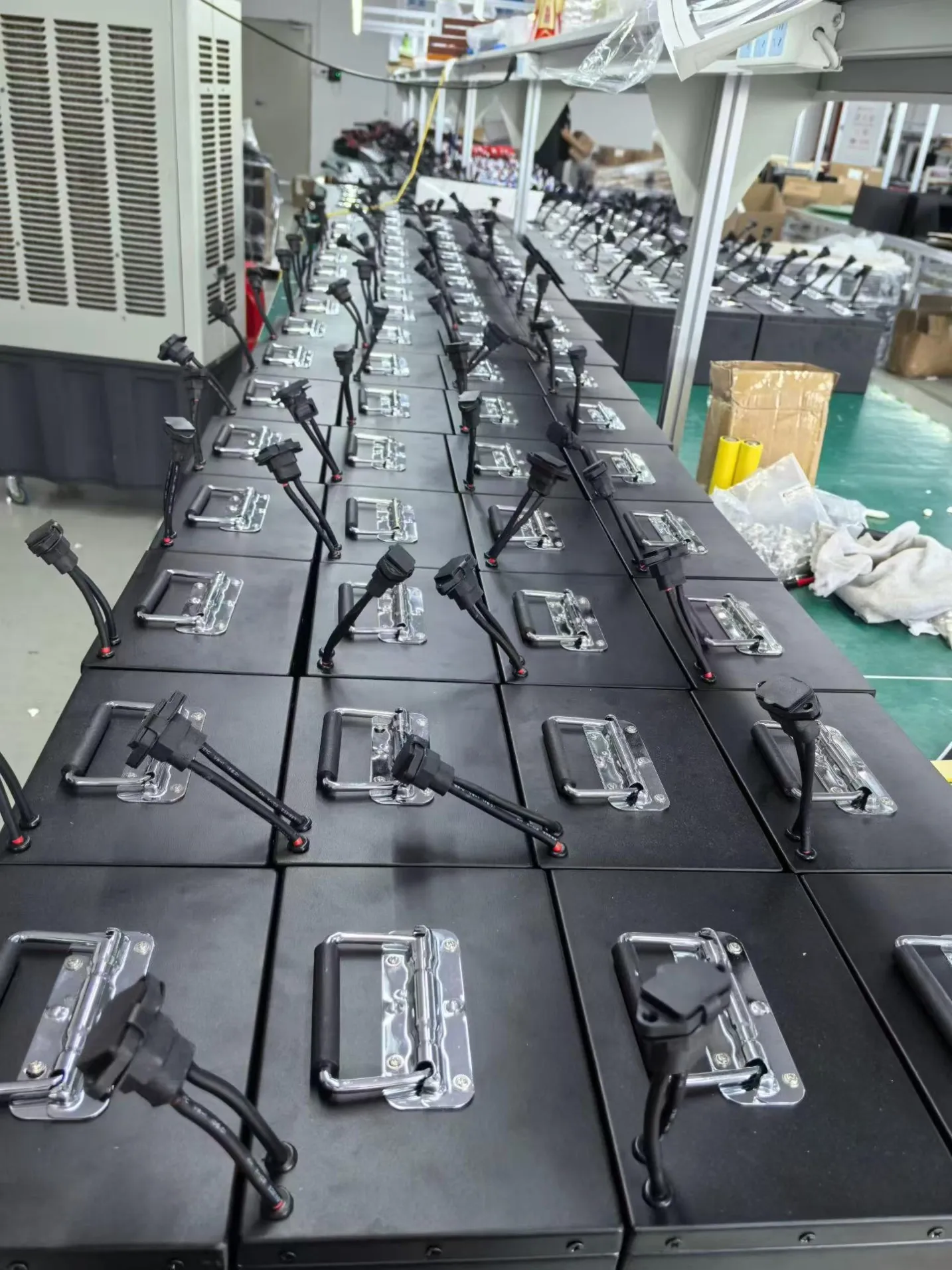
Most battery failures are habits, not defects
When a battery underperforms, swells or stops charging, the first question is usually whether the battery was faulty. Often the answer is quieter than that: how it was charged, where it was stored, and how long it sat untouched. Batteries are the most expensive part of an electric two-wheeler, and the easiest part to damage by routine.
Good battery habits protect your stock, your customers and your reputation — and they cost nothing to start.
For a dealer or importer, this matters twice over. A battery damaged by poor handling in your own warehouse is your loss before a sale is ever made. A battery damaged by poor habits after the sale still arrives back at your door, as a complaint, a return visit, and a customer who tells others the vehicle was unreliable. In both cases the original cause may have been a routine nobody wrote down: a charger borrowed from another model, a scooter left uncharged through a slow season, or stock parked against a sun-heated wall. Habits are hard to see, which is exactly why they need to be turned into written routines that anyone on your team can follow the same way.
Start by treating every battery in your building as stock with a state, not as a part of a parked vehicle that can be forgotten. Keep a simple record for incoming stock: model, battery voltage and capacity, battery chemistry, date received, charge level on arrival, and the date of the next check. That one page, kept honestly, prevents the most common storage failure of all — a vehicle that sat untouched for months because nobody owned the task of checking it. Assign the checks to a named person, put the dates in a calendar, and make the record travel with the vehicle until it is sold. When a customer later asks how the battery was kept before delivery, you will have an answer instead of a guess.
Train customers at the point of sale, too, and keep it short and concrete. The handover is your one reliable chance to set the habits that will decide how that battery ages: which charger to use, where to charge, what to do if the scooter will not be ridden for a while, and which warning signs mean "stop and contact us" rather than "keep riding and see". Give the customer those points in writing, in the language they read, and show them the physical actions once — plugging in, reading the charge indicator, removing and refitting the battery if their configuration is removable. A five-minute handover prevents more battery problems than any later argument about whose fault a failure was.
Charging: the daily habit that matters most
- Use the charger supplied for that model. A charger is matched to a battery's voltage and chemistry. A charger from another model — even one that fits the plug — can charge at the wrong voltage. Confirm the match in writing for your exact configuration.
- Charge in a ventilated place, away from flammable material. Do not charge on a bed, under a cover, or in a closed room full of cartons.
- Do not leave a charging battery completely unattended for long periods. Check on it, and unplug it once charging is finished.
- Keep the plug and cable dry and undamaged. A cracked cable or a loose plug is a reason to stop using that charger and ask the factory for a replacement — not to tape it up and carry on.
- Know the charging time for your model. On the Lubon LB-CS the listed charging time is 4–6 hours — confirm it for your exact configuration, and treat a battery that suddenly takes far longer, or far less, as a warning sign to check, not a detail to ignore.
Each of these points becomes stronger when you turn it into a physical routine in your shop and warehouse. Label each charger with the model and battery it belongs to, and store it with that vehicle or in a clearly marked place, so that nobody under time pressure grabs the nearest charger that fits. This matters most when you stock more than one model or more than one battery option — for example, the LB-CS is listed with lithium and lead-acid battery options (60V/72V, 32Ah) — because a plug that fits is not evidence that the charger is correct. The check is the label and the written specification, never the fit alone.
Choose the charging place deliberately. Pick a ventilated spot away from cartons, fuel, cleaning chemicals, and other flammable material, with enough space that a warm charger is noticed rather than hidden under a cover or a pile of packaging. Keep the route to it clear, so a battery that needs attention can be reached quickly. In a workshop, one defined charging area, used every time, is far safer than charging wherever a socket happens to be free. Apply the same rule when you advise customers: ask them at handover where they plan to charge, and help them spot the obvious problems — an enclosed space full of stored goods, a damaged socket, or a cable run across a walkway — before the habit forms.
Build the finish of the charge into the routine as well. Note roughly when charging started, check on the battery during the charge rather than only at the end, and unplug once charging is complete instead of leaving vehicles connected indefinitely out of convenience. Keep a written log for stock vehicles under your care, even a simple one: vehicle, date, start level if known, and time unplugged. Patterns only become visible in a log. A battery that begins to take far longer than the listed time for your configuration, or that finishes suspiciously quickly, or that feels unusually warm, is telling you something early, while you can still isolate it and ask the factory for guidance. A battery checked only when it fails tells you the same thing too late.
Inspect the charger itself on a regular cycle, not just when it stops working. Look at the cable along its full length for cuts, crushing, and exposed damage, check the plugs at both ends for looseness, discolouration, or bent contacts, and keep connectors dry and clean. Remove a damaged charger from service immediately and mark it clearly so a colleague does not put it back into use, then ask the factory for the correct replacement for your exact model and battery — confirmed in writing — rather than accepting any charger with a matching plug. Never repair a charger cable with tape and return it to service. The saving is small and the risk travels with your name on the vehicle.
Storage: what happens while the scooter waits
Scooters in a warehouse are still ageing, even if nobody rides them:
- Do not store batteries fully empty. A battery left flat for weeks can be hard — sometimes impossible — to bring back. Ask the factory what charge level to store at, and how often to top it up.
- Store in a cool, dry place, out of direct sun. Heat is the enemy of battery life; damp is the enemy of connectors and wiring.
- Keep batteries away from metal objects and damage. A dented or punctured pack is not a cosmetic problem — isolate it, do not charge it, and ask the factory what to do.
- Check stored stock regularly. Power up a sample, check the charge level and look for swelling, heat or smell. A problem found in the warehouse costs far less than the same problem found by a customer.
The storage routine that protects you is mostly about rhythm. Batteries in stock do not need daily attention, but they do need scheduled attention, at the interval the factory recommends in writing for your battery. Put the top-up and inspection dates for each batch of stock into the same calendar your team already uses for deliveries and servicing, so the task survives busy weeks and staff holidays. When you carry out a check, record it against the vehicle: date, charge level found, action taken, and anything unusual noticed. Over a season, those records show you which storage corner runs hot, which batch loses charge fastest, and which vehicles have sat longest and should be sold or rotated first. Stock rotation is battery care, too: sell in roughly the order vehicles arrived, rather than repeatedly delivering the newest units while the oldest quietly age at the back of the warehouse.
Where you store matters as much as how often you check. Choose the coolest, driest area you have, out of direct sun and away from heaters, and keep vehicles off damp floors where you can. Heat speeds up battery ageing even when a scooter is never ridden, so a shaded, ventilated corner protects stock better than a convenient spot against a sunlit metal wall. Keep the storage area tidy and separated: batteries and battery compartments should not be pressed against loose metal objects, tools, or stacked parts that could damage a casing or short a connector, and damaged or suspect packs should be isolated in a defined place, clearly marked, away from good stock, while you wait for the factory's written instruction. Do not charge an isolated pack, do not sell it, and do not let it drift back into stock by accident — the marking and the record are what prevent that.
Teach everyone who handles stock the warning signs, and give them permission to act on them without waiting for a manager. The signs are simple: swelling or a casing that no longer sits flat, unusual heat from a battery that is not being charged or ridden, a chemical or burning smell, visible damage, a connector that is corroded or loose, or a battery that will not charge at all. The correct first response is also simple: stop, do not charge or ride the vehicle, move it to the isolated area if that can be done safely, note what was found and when, and contact the factory for instruction. A team that knows this sequence protects your customers and your business. A team that has never been told will improvise, and improvisation around a damaged battery is how a small problem becomes a serious one.
Before delivery, give every outgoing vehicle a final battery check, even if it was checked recently in storage. Confirm the charge level, run the lights and dashboard, inspect the battery and its connector once more, and confirm the correct charger — matched in writing to that model and battery — goes with the vehicle, along with the customer's written charging and storage guidance. That last check is your cheapest quality gate: it catches the flat battery, the wrong charger, and the early warning sign at the one moment when all three are still easy to fix.
Transport and handling
Lithium batteries are dangerous goods for sea and air freight, and they need the same care on a short truck ride as on a long sea voyage: keep them dry, protected from impact, and packed as the factory instructs. Before shipment, confirm in writing which transport and safety documents the factory supplies for your battery chemistry and capacity, and confirm the battery on the vehicle matches the battery on the documents.
Apply that care at every handover point, not only on the long journey. When stock moves between your warehouse, your shop, and a customer, load vehicles so batteries and battery compartments are protected from impact and crushing, keep them dry in wet weather, and never carry loose batteries against metal tools or parts. When you receive a shipment, inspect before you sign off in detail: look for crushed cartons, water damage, and dented battery compartments, photograph anything you find, and check a sample of vehicles for charge level and battery condition before the delivery vehicle leaves or the trail goes cold. If a pack arrives damaged, isolate it, do not charge it, and report it with your photos the same day. Handling damage discovered a month later is almost impossible to place; handling damage recorded on arrival, with evidence, is a straightforward conversation.
For incoming orders, make the battery paperwork part of the receiving routine as well. Check that the battery described on the transport and shipping documents — chemistry, voltage, and capacity — matches the battery actually fitted to the vehicles you received, for example a 60V/72V, 32Ah configuration if that is what you ordered. Keep those documents with the stock record for each batch, so that when you later sell, service, or move the vehicles, the paperwork that travelled with the batteries is still available. If the fitted battery and the documents disagree, stop and resolve it in writing before the stock is sold; the mismatch is far easier to correct with the factory while the shipment is still intact and identifiable.
What to ask the factory, in writing
- The correct charger for my exact model and battery — voltage, plug and charging time.
- The recommended storage charge level, and how often stored batteries should be topped up.
- What to do if a battery swells, overheats, smells, or will not charge.
- Which transport and safety documents come with the battery I am ordering.
- Whether the battery is removable on my configuration, and how it should be removed and refitted.
Add a few follow-up questions to this list before your first order, and keep the written answers with your stock records. Ask how you should record and report a suspect battery so the factory can advise you quickly — which photos, which label details, and which measurements or observations they need. Ask which spare chargers and battery connectors you should hold in stock for your configuration, so a damaged charger does not sideline a sold vehicle while you wait for a replacement. Ask what the factory recommends for a customer who will not ride for an extended period, so the advice you print in your handover sheet matches the factory's own guidance rather than workshop folklore. And confirm, in writing, the warranty terms that apply to the battery and charger on your configuration — what they cover and for how long — since no assumption you make on this point will protect you later; only the written terms will.
None of these habits requires special equipment or extra stock. They require a labelled charger, a defined charging and storage place, a calendar, a one-page record, and a team that knows the warning signs and the first response. That is a small price for protecting the most expensive component on every vehicle you sell — and for making sure the battery your customer depends on every day was cared for properly from the day it arrived in your warehouse to the day it left in their hands.
Ordering electric two-wheelers? Tell us your market and your storage conditions, and we will confirm the matching battery, charger and documents for your order before quotation. Email: saravehicle@jxlubon.com · WhatsApp: +86 189 7035 3905