
Jul 14, 2026 buying guide &News
How to Choose the right Motor
guide how to choose a electric scooter motor
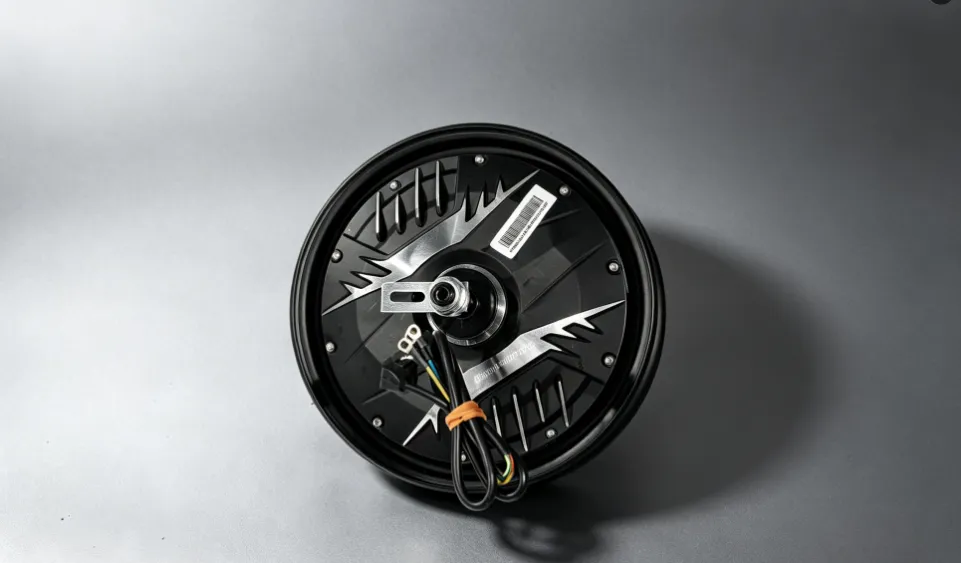
How to Choose the Right Motor for Electric Sooter
Choosing a motor for electric two-wheelers hinges on matching the motor to your usage scenarios and core parameters.
There is no “one-size-fits-all” best motor — only the most suitable one. Below is a practical, detailed selection guide.
1. Match Motor Power to Your Daily Usage
Motor power directly determines a vehicle’s top speed, climbing capability, and power consumption. Always select power based on your actual road conditions and riding needs.
350W – 500W: Urban Flat Road & Short-Daily Commutes
Ideal for: Daily commuting, grocery runs, and school drop-offs (standard national-regulated e-bikes)
Features: Top speed limited to 25km/h, low energy consumption, and long battery life. Perfect for flat urban roads with modest climbing performance.
500W – 1000W: Mid-Range Urban Commutes (Light E-Mopeds)
Ideal for: Medium-distance single-person urban commuting.
Features: Top speed around 45km/h with improved power and acceleration. Suitable for flat or gently sloped city roads with basic climbing ability. Riding with passengers is not permitted.
1000W – 1500W & Above: Hilly Roads, Heavy Loads & Long Distances (E-Mopeds)
Ideal for: mountainous areas, frequent hill climbing, heavy loads, long-distance travel, and food delivery services
Features: Top speed over 50km/h with high torque, fast acceleration, and strong climbing power. Supports complex road conditions, long rides, and passenger carrying.
Note: This category qualifies as motor vehicles, requiring official license plates and valid driving licenses.
2. Focus on Two Core Parameters: Torque & Efficiency
Torque (N·M): Defines startup response and climbing ability. Higher torque delivers faster acceleration and easier hill climbing. Choose a high-torque motor if you frequently ride on hilly terrain.
Efficiency (%): Represents the energy conversion rate from electricity to power. Higher efficiency means lower power loss and longer range. We recommend motors with 85%+ efficiency.
3. Choose the Right Motor Structure
Hub Motor (Most Popular)
Integrated directly into the rear wheel hub. It features a simple structure, low cost, low failure rate, and quiet operation. The minor drawbacks are heat buildup during long climbing sessions and increased unsprung weight that slightly affects handling. It is the best choice for daily urban commuting.
Mid-Drive Motor
Mounted at the frame center, driving the rear wheel via chain or belt. It delivers outstanding torque, superior climbing power, flexible handling, and lower energy loss. The trade offs are higher pricing, slight transmission loss, and higher frame requirements. Ideal for mid-to-high-end models focused on climbing performance and riding experience.
Side-Mounted Motor
Installed on the rear fork, driven by gears or chains. It balances the easy maintenance of hub motors and the lightweight advantage of mid-drive motors, with minor transmission loss. However, it is less common in the current market.
4. Motor Material & Brand Selection
Material Priority: Always choose brushless copper-core motors with excellent heat dissipation, stable power output, and long service life. Avoid brushed motors (noisy, short-lived, high power consumption) and brushless aluminum/copper-clad-aluminum motors (easy overheating and rapid power attenuation).Some electric motorcycle buyer to chose the cheaper one,but it cost more when use
Final Summary
For electric two-wheeler motors, bigger power does not always mean better performance.
The optimal choice depends on your budget, road conditions, and regulatory compliance.
✅ Flat urban commuting: Low-power brushless motors for energy efficiency
✅ Complex terrain & long-distance riding: High-power, high-torque motors for stable power output