
Buying Electric Scooters from China: What Indian Importers Should Know
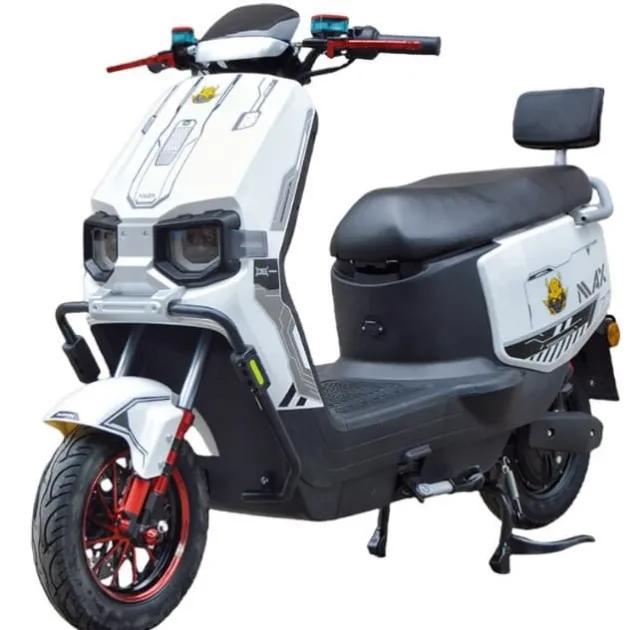
For Indian businesses exploring new electric mobility products, China can be a sourcing option for electric scooters, electric motorcycles and EV components.
However, successful sourcing requires more than finding a manufacturer with a low price. Importers should evaluate the complete supply chain, product suitability and regulatory requirements before making a purchasing decision.
That evaluation is the real work of importing. The scooter itself is only one part of what you are buying: you are also buying a specification you can rely on, a supplier who answers in writing, documents that match your market's requirements, and spare parts that keep the vehicles earning after they are sold. This guide walks through the decisions in the order experienced importers usually make them, and at each step names what to confirm, what to check on a sample, and what mistakes to avoid. Nothing in it replaces checking the current requirements for your exact model in India — where a point depends on regulation, treat it as a prompt to confirm, not as an answer.
1. Identify the Right Sourcing Model
Depending on your business model, you may consider different sourcing options:
- Complete vehicles: Suitable for businesses evaluating finished-product sourcing, subject to applicable import and vehicle approval requirements.
- CKD or SKD kits: Potentially relevant for businesses with local assembly capabilities, depending on customs classification and compliance requirements.
- EV components: Motors, controllers, chargers and other components may suit businesses that already manufacture, assemble or service electric vehicles.
Each option has a different cost structure and compliance process. Compare them based on your actual business plan rather than assuming one approach is always cheaper.
Make the comparison concrete before you request prices. Write down, for each option, what you would receive, what work would remain to be done in India, who would do that work, and what it would cost. A complete vehicle shifts assembly work to the factory; a CKD or SKD route shifts part of that work — and the facilities, staff, tooling and quality control that go with it — to you. Components suit a business that already has its own vehicle or assembly operation to put them into. Importers sometimes choose a kit route because the quoted price per unit looks lower, then discover the local costs they had not counted. Compare total cost and total responsibility, side by side and in writing, and confirm the customs classification and compliance position for the route you favour with your own advisers, for your exact model, before you commit.
Also be honest about scale. Ask yourself what quantity you can realistically sell or deploy in a first period, and size the first order to that, rather than to an optimistic forecast. A smaller first order — or a sample first, then a trial order — lets you test demand, registration practicalities and after-sales workload with limited exposure. You can grow quantity on the second order with real experience behind you.
2. Select Products Based on Local Demand
Before requesting quotations, define your target customer group and price segment.
Consider:
- Scooter design and intended use
- Motor power and performance requirements
- Battery type and capacity
- Charging requirements
- Vehicle weight and load capacity
- Availability of replacement parts
- Branding and packaging requirements
Clear specifications help suppliers provide more accurate quotations and reduce misunderstandings during production.
Turn that list into a written specification sheet for your own business before you approach any supplier. For each item, write what you need and why. Who is the rider — a commuter, a delivery rider, a fleet operator? What load will the scooter typically carry, on what roads, and how will it be charged? Which battery type and capacity are you considering, and what range expectation comes with it? A supplier reading that sheet can quote against the same vehicle you have in mind; a supplier reading only "electric scooter, best price" will quote the cheapest thing that answers the description, which may be wrong for your customers in half a dozen ways.
For reference when you compare specifications, one listed Lubon model, the LB-CS, states a 1500W motor, lithium / lead-acid battery options at 60V/72V 32Ah, a max speed of 45 km/h, a charging time of 4–6 hours and delivery of 15 days. Use figures like these the right way: as the starting point for questions about the exact model and configuration you are considering, confirmed in writing — not as figures you transfer to a different model, and not as claims you repeat to your customers until you have tested a sample under your own conditions.
Branding and packaging belong in this stage too, not at the end. If you want your own branding, colours or packaging, say so in the first specification. Customisation affects minimum order quantity, cost and production time, and discovering that late can force you to choose between your launch date and your brand. Ask the supplier to confirm, item by item and in writing, what can be customised and what each change depends on.
3. Calculate the Landed Cost
A factory quotation is only one part of the final cost.
Your purchasing calculation should consider:
- Product price
- Export packaging and inland transportation
- Ocean freight and insurance, where applicable
- Customs duties and taxes
- Port handling and clearance
- Certification, testing and compliance expenses
- Local distribution and after-sales costs
Request a quotation with a clearly stated trade term, such as FOB or CIF, and confirm exactly which costs are included.
Build the calculation as a single spreadsheet, one line per cost, and fill every line — even if some lines begin as estimates you must obtain locally in India. The most common landed-cost mistake is comparing two suppliers on factory price alone, when their quotations include different things. One may include export packaging and inland transport to the port and another may not; one may quote one battery option and another a different one. Normalise the comparison: same model, same configuration, same trade term, same list of included costs. Only then does the cheaper quotation mean anything.
Leave a line in the spreadsheet for after-sales as well. Spare parts, including spare chargers, and the handling of defective products are real costs of selling vehicles, and they differ between suppliers. A slightly higher factory price from a supplier who provides a clear written spare-parts list and a clear process for problems can produce a lower total cost over the first year than the cheapest price from a supplier who provides neither. You are buying a product line to support, not a single shipment.
Finally, protect the calculation from assumptions. Where a cost depends on duties, taxes, classification or compliance for your exact model and route, obtain the current figure from your own customs or compliance adviser in India rather than copying a number from another importer's experience with a different product. Confirm the current requirements for your exact model before paying a deposit — that applies to the cost lines just as much as to the approval questions in section 5 below.
4. Verify the Supplier Before Ordering
Before placing a commercial order, ask for product specifications, detailed photos or videos, quality inspection information and warranty terms.
For larger orders, consider a sample evaluation or pre-shipment inspection. Also confirm production lead time, spare parts support and the process for handling defective products.
Verification works best as a sequence. First, the written stage: specifications, photos or videos, inspection information and warranty terms, all requested and received in writing. Judge the answers themselves. Are they specific to the model you asked about, or general? Do figures stay consistent between the specification, the quotation and the product page? Inconsistency at this stage is information — it tells you to slow down and pin the point down.
Second, the sample stage. Order a sample in the exact configuration you plan to import, and check it systematically when it arrives: specification against the written agreement, battery and charger labels, charging with the supplied charger, and riding under your local conditions and loads. Keep written notes and photographs. A sample that matches its paperwork builds justified confidence; a sample that does not has saved you from a container-sized version of the same problem.
Third, the order stage. Confirm production lead time for your quantity and configuration in writing — as a general guide, Lubon states delivery normally of 15 days, but your order's time depends on quantity and customisation, so get your own figure confirmed. Agree pre-shipment evidence and any inspection arrangements before production starts, not after it ends. And agree the defective-products process in advance: how a problem is reported, what evidence you will send, and how it will be resolved. Suppliers and importers who agree that process calmly, in advance, handle the rare real problem far better than those improvising one under pressure.
5. Check India's Import and Vehicle Approval Rules
Importing a vehicle into India is not the same as importing an ordinary consumer product. Applicable rules can include vehicle type approval, safety requirements, customs conditions and registration-related documentation.
For example, India's vehicle approval framework includes requirements administered through designated testing agencies under the Central Motor Vehicles Rules. The exact obligations depend on the vehicle and intended use.
Do not assume that a model can be imported, registered or sold for road use simply because it is available in another country. Confirm the current requirements for your exact model before paying a deposit.
Give this section time in your plan, because it can decide the whole project. Work through it as a checklist with your own Indian advisers: what approval, if any, applies to the exact model and configuration you want; what safety and documentation requirements attach to it; what customs conditions apply to the sourcing route you chose in section 1 — complete vehicle, CKD or SKD kit, or components; and what registration-related documentation your customers or dealers will need. Each answer must be for your exact model and intended use, because obligations can differ between models, configurations and uses that look similar.
Two mistakes recur here. The first is relying on a supplier's assurance that a model "can be sold in India" as a substitute for your own confirmation. For reference, Lubon states that all its scooters have CCC, and some models have CE, EEC or COC — note the wording: some models, not all — and you should ask in writing which certifications and export documents apply to the exact model you are considering. That is useful supplier information, but your obligation is to confirm on the Indian side, for your exact model, what is currently required. The second mistake is sequencing: paying a deposit first and checking requirements after. Reverse it. The confirmation work belongs before the deposit, while changing model, configuration or sourcing route is still easy.
Keep the evidence of this stage with your order file: the requirements you confirmed, who confirmed them, and the supplier's written statement of certifications and documents for your model. If anything changes between orders — model, configuration or route — revisit the confirmation rather than carrying the old one forward.
Source Electric Vehicles with Lubon Motor
Lubon Motor works with international B2B buyers seeking electric scooters, electric motorcycles and related EV parts.
If you are evaluating Chinese suppliers for the Indian market, share your target product category, specifications, estimated quantity and sourcing model. Our team can help you review suitable options and discuss pricing.
Lubon is based in Jiangxi, with electric two-wheeler production at the Wuxi base. A productive first message covers the ground this guide has walked through: your target category and specification, your estimated quantity, whether you are considering complete vehicles, CKD or SKD kits, or components, your destination, and any customisation or branding you need. Tell us, too, where you have reached with confirming the requirements for your exact model on the Indian side, so the discussion starts from your real position. Expect the specification, certifications and documents, delivery time and spare-parts arrangements for your order to be confirmed in writing as the order takes shape — and hold every supplier you compare, including us, to that same written standard.
Contact Lubon Motor to request our latest electric vehicle catalog and export quotation.
Email: saravehicle@jxlubon.com Tel: +86 18970353905 ADD: Anzhen, Xishan District, Wuxi City